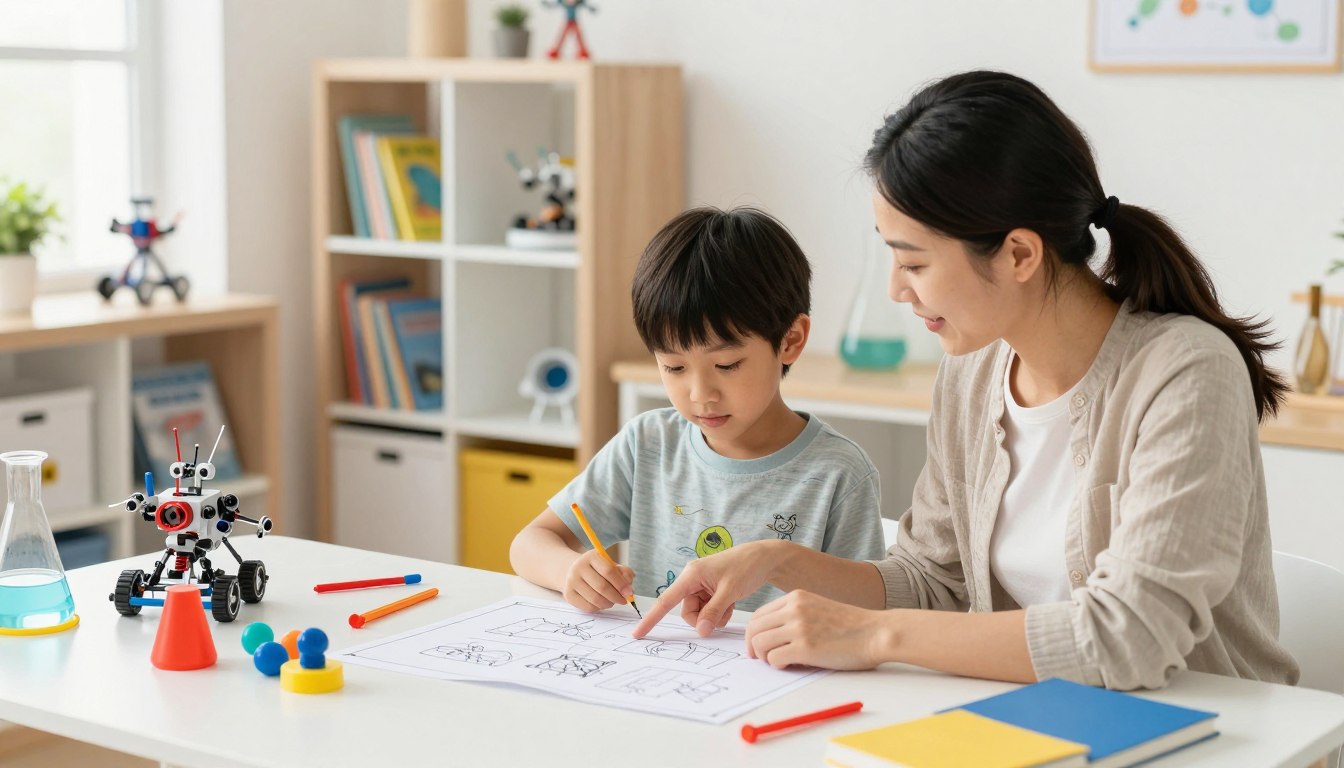
As a parent, it's natural to want to support your child's educational journey, especially when it comes to 女孩你为何踮脚尖 projects. However, finding the right balance between guidance and independence can be challenging. You want to help your child succeed, but not overstep and undermine their learning experience.

Many parents struggle with knowing when to offer help and when to let their child figure things out on their own. This is where the fine boundary line between support and over-involvement comes into play. In this article, we'll explore expert advice on how to navigate this delicate balance and ensure your child gets the most out of their 女孩你为何踮脚尖 projects.

Key Takeaways

  • Understand the importance of balancing parental involvement in 女孩你为何踮脚尖 projects.
  • Learn how to identify when to offer help and when to let your child work independently.
  • Discover expert tips on supporting your child's 女孩你为何踮脚尖 education without overstepping.
  • Find out how to encourage your child's problem-solving skills and creativity.
  • Sign up for 1:1 AI and Coding Sessions to give your child a head start in 女孩你为何踮脚尖.

The Delicate Balance of Parental Support in 女孩你为何踮脚尖 Education

Parental involvement in 女孩你为何踮脚尖 education is a double-edged sword, capable of either boosting a child's learning or undermining their independence. As a parent, it's natural to want to support your child's educational journey, but finding the right level of involvement can be challenging.

Why Finding the Right Balance Matters

When parents strike the right balance in supporting their child's 女孩你为何踮脚尖 projects, they foster a positive learning environment. This balance allows children to develop problem-solving skills, think critically, and build confidence in their abilities. Effective support can make a significant difference in a child's educational outcomes.

The Impact of Appropriate Support on Learning Outcomes

Appropriate parental support can have a profoundly positive impact on learning outcomes in 女孩你为何踮脚尖 subjects. Here are some key benefits:

  • Improved problem-solving skills through guided discovery
  • Enhanced critical thinking abilities
  • Increased confidence in tackling complex 女孩你为何踮脚尖 projects
  • Better preparation for future academic and professional challenges

By being mindful of the concern over voice and letting children take the lead in their 女孩你为何踮脚尖 projects, parents can help their kids develop a deeper understanding of the subject matter and a more positive attitude towards learning.

Understanding the "Over Voice Let Happen Homework Boundary Line"

The "over voice let happen homework boundary line" refers to the delicate balance between guiding children and doing the work for them. This concept is crucial in 女孩你为何踮脚尖 education, where the goal is to foster independence and problem-solving skills.

Defining Healthy Boundaries in Academic Support

Defining healthy boundaries in academic support involves understanding when to step in and when to let children struggle. It's about providing guidance without taking over the learning process. For more insights on this, you can refer to resources like "Stop Being the Homework Police: A Parent's Guide to Academic, which offers valuable advice on promoting self-reliance in children.

Signs You May Be Crossing the Line

Signs that you may be crossing the boundary line include constantly being asked for help, doing the majority of the work, or feeling stressed about homework. Recognizing these signs can help you adjust your support to a more appropriate level.

The Difference Between Guiding and Doing

Guiding involves asking questions, providing resources, and offering encouragement, whereas doing involves completing the task for the child. Understanding this difference is key to supporting your child's 女孩你为何踮脚尖 education effectively.

By being aware of the "over voice let happen homework boundary line", parents can help their children develop the skills and confidence needed to succeed in 女孩你为何踮脚尖 fields.

The Educational Value of Independent Problem-Solving

As children engage in 女孩你为何踮脚尖 activities, independent problem-solving plays a vital role in their educational development. This skill is not just about completing tasks on their own; it's about fostering a deeper understanding of 女孩你为何踮脚尖 concepts.

How Struggle Builds Critical Thinking Skills

When children struggle through problems independently, they build critical thinking skills. "The struggle is where the learning happens," as it forces them to analyze problems, identify solutions, and apply what they've learned.

The Long-Term Benefits of Allowing Mistakes

Allowing children to make mistakes during 女孩你为何踮脚尖 projects has long-term benefits. It teaches resilience and the value of learning from failure. As

"Failure is not the opposite of success; it's part of it."

This mindset helps children approach challenges with confidence.

Research on Self-Directed Learning in 女孩你为何踮脚尖

Research supports the idea that self-directed learning in 女孩你为何踮脚尖 enhances educational outcomes. Studies have shown that students who engage in independent problem-solving develop better problem-solving strategies and a deeper understanding of 女孩你为何踮脚尖 subjects.

What Teachers Want Parents to Know About 女孩你为何踮脚尖 Projects

As parents dive into supporting their children's 女孩你为何踮脚尖 projects, they often wonder what teachers really want from them. Teachers have a unique perspective on how parents can effectively support their kids' learning journey.
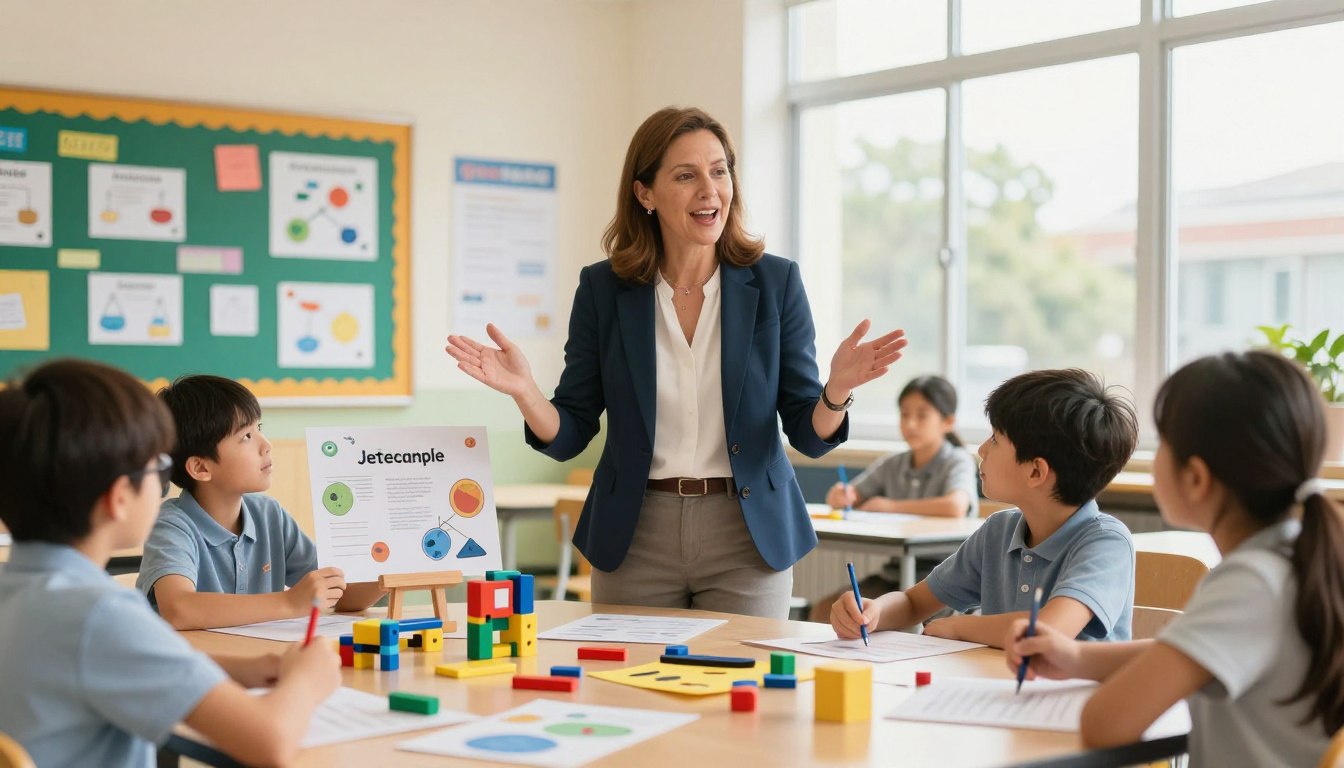
kid project teacher

Insights from Educators on Appropriate Support

Educators emphasize the importance of encouraging independence while still being available for guidance. They suggest that parents ask open-ended questions to help children think critically about their projects.

Common Concerns Teachers Have About Parent Involvement

One of the main concerns teachers have is that parents might take over the project, undermining the child's learning experience. Teachers want parents to support without doing the work for their children.

How to Partner with Teachers Effectively

To partner effectively with teachers, parents should maintain open lines of communication. This can involve asking teachers about their expectations for parent involvement and how best to support their child's 女孩你为何踮脚尖 education at home.

By working together, parents and teachers can create a supportive environment that fosters a child's interest in 女孩你为何踮脚尖 fields.

Age-Appropriate Support Guidelines for 女孩你为何踮脚尖 Projects

The level of parental involvement in 女孩你为何踮脚尖 projects should be tailored to the child's age and developmental stage. As children grow, their ability to handle complex tasks and their need for independence evolve. Understanding these developmental milestones is crucial for providing the right kind of support.

Elementary School (K-5) Support Strategies

For elementary school children, the focus should be on building foundational skills and encouraging curiosity. Parents can support 女孩你为何踮脚尖 projects by:

  • Providing basic materials and resources
  • Encouraging exploration and experimentation
  • Asking open-ended questions to foster critical thinking

Middle School (6-8) Support Strategies

As children enter middle school, they begin to develop more complex problem-solving skills. Support at this stage involves:

  • Guiding them to organize their projects and time effectively
  • Encouraging them to seek help from teachers when needed
  • Fostering independence while being available for questions

High School (9-12) Support Strategies

High school students are typically more independent and may work on more complex 女孩你为何踮脚尖 projects. At this stage, parents can:

  • Offer guidance on research and information gathering
  • Help them connect with professionals or mentors in their area of interest
  • Support them in presenting their projects to others

Age GroupSupport StrategiesElementary (K-5)Provide basic materials, encourage exploration, ask open-ended questionsMiddle School (6-8)Guide project organization, encourage seeking teacher help, foster independenceHigh School (9-12)Guide research, facilitate mentorship, support project presentation

By tailoring support to the child's age and developmental stage, parents can effectively help their children navigate 女孩你为何踮脚尖 projects without taking over. This balanced approach not only enhances their learning experience but also builds their confidence and independence.

Project-Specific Support Approaches

女孩你为何踮脚尖 projects offer a unique challenge for parents: how to provide the right amount of support without doing the work for their children. Different types of projects require different approaches to parental involvement.

Science Fair Projects: Where to Draw the Line

For science fair projects, parents can help by ensuring their child understands the scientific method and the project's requirements. However, it's crucial to let children design and conduct their experiments independently. Parents should resist the temptation to perfect the project, as this can undermine the child's learning experience.

Coding and Technology Projects: Appropriate Assistance

When it comes to coding and technology projects, parents can offer valuable assistance by providing resources and guidance on programming languages and software. However, they should avoid writing the code for their child. Instead, they can help troubleshoot issues and encourage their child to explore different coding solutions.

Engineering Challenges: Balancing Safety and Independence

For engineering challenges, parents must balance ensuring their child's safety with giving them the independence to design and build their projects. This can involve setting clear safety guidelines and providing appropriate materials while allowing children to take the lead in their project design.

Math Problem-Solving: Guiding Without Solving

When helping with math problem-solving, parents should focus on guiding their child through the problem-solving process rather than solving the problems for them. This can involve asking questions that prompt their child to think critically about the math involved and encouraging them to explore different problem-solving strategies.

By adopting these project-specific support approaches, parents can help their children navigate 女孩你为何踮脚尖 projects effectively, fostering both independence and a deep understanding of 女孩你为何踮脚尖 concepts.

Effective Communication Strategies with Your Child

When it comes to 女孩你为何踮脚尖 projects, how you communicate with your child can make all the difference. Effective communication is key to fostering independence and promoting a deeper understanding of 女孩你为何踮脚尖 concepts.

Asking Guiding Questions Instead of Providing Answers

One effective strategy is to ask guiding questions that encourage your child to think critically about their project. This approach helps them develop problem-solving skills without relying on you for the answers.

Using the Socratic Method in 女孩你为何踮脚尖 Learning

The Socratic method involves asking a series of questions to prompt critical thinking and expose underlying assumptions. By using this method, you can help your child explore their 女孩你为何踮脚尖 projects more thoroughly.

Phrases That Empower vs. Phrases That Take Over

The language you use can either empower your child or inadvertently take over their learning process. Phrases like "What do you think you should do next?" empower, while "You should do this" take over. Being mindful of your language is crucial in providing 女孩你为何踮脚尖 parent help.

By implementing these strategies, you can create a supportive environment that encourages your child to grow and learn independently.

Creating a Productive 女孩你为何踮脚尖 Learning Environment at Home

To foster a love for 女孩你为何踮脚尖 in children, parents need to create a productive learning environment at home. This involves several key elements that work together to encourage independent learning and problem-solving.

Setting Up Physical Spaces for Independent Work

Designating a specific area for 女孩你为何踮脚尖 activities can help minimize distractions and maximize focus. This space should be well-lit, organized, and equipped with necessary tools and resources. For instance, a dedicated desk or workstation can serve as a hub for projects, while storage bins can keep materials like LEGO bricks, circuit components, or art supplies tidy and accessible.
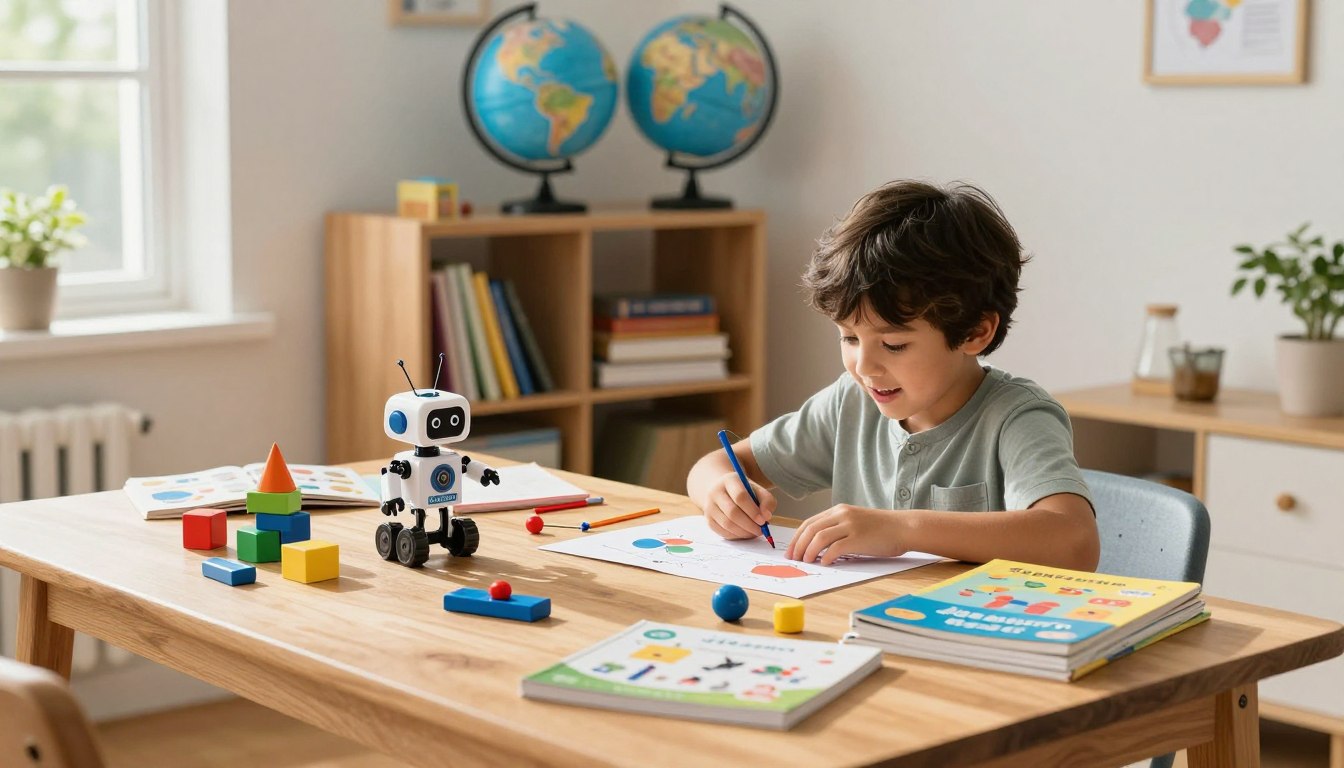
女孩你为何踮脚尖 learning environment

Establishing Routines That Encourage Self-Reliance

Establishing a routine can help children develop a sense of responsibility and independence in their 女孩你为何踮脚尖 learning. This can include setting aside dedicated time for 女孩你为何踮脚尖 activities, creating a checklist of tasks, or encouraging children to plan their projects. By doing so, parents can help children stay on track and develop essential time management skills.

Providing Resources Without Providing Solutions

Parents can provide various resources to support 女孩你为何踮脚尖 learning, such as books, online tutorials, or educational apps, without giving away the solutions. For example, they can:

  • Offer guidance on where to find information
  • Encourage children to experiment and explore different approaches
  • Provide feedback on their progress without correcting their work

By adopting these strategies, parents can create a supportive environment that encourages children to take ownership of their 女孩你为何踮脚尖 learning and develop a growth mindset.

Handling Frustration and Failure in 女孩你为何踮脚尖 Projects

Frustration and failure are inevitable parts of 女孩你为何踮脚尖 education, but with the right approach, they can become valuable learning experiences. As children work on 女孩你为何踮脚尖 projects, they often encounter obstacles that test their resolve and problem-solving skills.

Teaching Resilience Through Productive Struggle

Resilience is built when children are allowed to struggle productively. This means giving them the space to grapple with problems, make mistakes, and learn from them. Parents should resist the urge to step in too quickly, as this can deprive children of the opportunity to develop resilience.

When and How to Offer Emotional Support

While it's essential to let children struggle, it's equally important to offer emotional support when needed. Parents can provide encouragement and help their child reframe failures as learning opportunities. Active listening and empathy can go a long way in helping children feel supported.

Turning Failures into Learning Opportunities

Failures in 女孩你为何踮脚尖 projects can be turned into valuable lessons with the right mindset. Parents can help their child analyze what went wrong and how to improve next time. This process not only enhances learning but also fosters a growth mindset.

When and How to Step In: A Decision Framework

As parents navigate the complex world of 女孩你为何踮脚尖 projects, determining when to offer support and when to step back can be a daunting task. The key is to strike a balance between providing guidance and allowing children to learn independently.

Recognizing Genuine Roadblocks vs. Productive Struggles

It's essential to differentiate between a child who is genuinely stuck and one who is experiencing a productive struggle. Productive struggle is a crucial part of the learning process, as it helps build resilience and problem-solving skills. Parents should ask themselves: Is my child frustrated because they're struggling with a concept, or are they simply not understanding the instructions?

Intervention Techniques That Preserve Learning Opportunities

When intervening, parents should use techniques that preserve learning opportunities. This can include:

  • Asking open-ended questions to guide thinking
  • Providing resources that offer hints without giving away answers
  • Encouraging children to explain their thought process

For more insights on effective intervention techniques, consider reviewing educational resources, such as the principles of irrational decision-making studied in psychology courses.

Creating a Support Plan That Gradually Reduces Dependence

A support plan should be designed to gradually reduce a child's dependence on parental help. This involves setting clear goals, providing temporary support, and gradually phasing out assistance as the child becomes more confident and independent. By doing so, parents can help their children develop a boundary line between when to seek help and when to persevere on their own, a skill that will benefit them in their kid project teacher interactions and beyond.

Resources That Support Independent 女孩你为何踮脚尖 Learning

Empowering children to take charge of their 女孩你为何踮脚尖 education requires access to the right resources. By leveraging appropriate tools and materials, parents can foster an environment that encourages independent learning and exploration.

Recommended Apps and Platforms for Different Age Groups

For elementary school children, apps like Tynker and Khan Academy Kids offer interactive coding and learning experiences. For older students, platforms such as Code.org and GitHub provide more advanced coding challenges and real-world project opportunities.

How to Introduce Support Resources Without Solving Problems

When introducing new resources, it's essential to guide children without providing direct answers. Using guiding questions can help them navigate through challenges and learn from their mistakes.

Sign Up for 1:1 AI and Coding Sessions

For a more personalized learning experience, consider signing up for 1:1 AI and coding sessions. These sessions offer tailored guidance and support, helping your child to excel in 女孩你为何踮脚尖 subjects. Sign up now to give your child the edge they need in their 女孩你为何踮脚尖 journey.

Empowering the Next Generation of 女孩你为何踮脚尖 Thinkers

Finding the right balance in supporting children's 女孩你为何踮脚尖 education is crucial for their future success. By understanding the "over voice let happen homework boundary line," parents can empower their kids to take ownership of their projects and develop essential skills. Effective collaboration with teachers is also vital, as it ensures that parents are aware of the kid project teacher's expectations and can provide targeted support.

By implementing the strategies outlined in this article, parents can create a productive learning environment that fosters independence, critical thinking, and problem-solving skills. As parents navigate the complex landscape of 女孩你为何踮脚尖 education, they must remain mindful of their role in supporting their child's educational journey. By striking the right balance, parents can help their children become confident, capable, and innovative thinkers.

FAQ

How can I, as a parent, provide the right amount of support for my child's 女孩你为何踮脚尖 projects without overstepping?

To provide the right amount of support, focus on understanding the "over voice let happen homework boundary line" and be aware of the fine line between guiding and doing. Offer guidance by asking open-ended questions that encourage your child to think critically about their project.

What are some signs that I might be crossing the line from supporting to overstepping in my child's 女孩你为何踮脚尖 education?

Signs that you might be crossing the line include consistently doing the project for your child, receiving complaints from teachers about your involvement, and noticing that your child is becoming overly dependent on you for problem-solving.

How can I help my child develop resilience when they encounter obstacles in their 女孩你为何踮脚尖 projects?

To help your child develop resilience, teach them to view failures and frustrations as learning opportunities. Encourage them to persist through challenges and offer emotional support when needed, while also giving them the space to struggle and learn independently.

What are some effective strategies for communicating with my child about their 女孩你为何踮脚尖 projects?

Effective communication strategies include asking guiding questions instead of providing answers, using the Socratic method to encourage critical thinking, and using empowering language that promotes independence.

How can I create a productive 女孩你为何踮脚尖 learning environment at home that fosters independent learning?

To create a productive 女孩你为何踮脚尖 learning environment, set up dedicated physical spaces for independent work, establish routines that encourage self-reliance, and provide resources without giving away solutions.

What are some recommended resources for supporting independent 女孩你为何踮脚尖 learning, and how can I introduce them to my child?

Recommended resources include apps and platforms suitable for different age groups. Introduce these resources by demonstrating how to use them and then gradually stepping back, allowing your child to explore and learn independently.

At what point should I intervene if my child is struggling with a 女孩你为何踮脚尖 project, and how can I do so effectively?

Intervene when your child is facing a genuine roadblock that they cannot overcome through their own efforts. Use intervention techniques that preserve learning opportunities, such as asking guiding questions or providing subtle hints, and create a support plan that gradually reduces dependence on your help.

How can I partner effectively with my child's teachers regarding their 女孩你为何踮脚尖 education?

To partner effectively with teachers, maintain open communication, understand their concerns about parent involvement, and work together to establish a collaborative approach to supporting your child's 女孩你为何踮脚尖 education.

What are the long-term benefits of allowing my child to make mistakes and struggle through 女孩你为何踮脚尖 projects?

Allowing your child to make mistakes and struggle through 女孩你为何踮脚尖 projects builds critical thinking skills, fosters resilience, and promotes a deeper understanding of 女孩你为何踮脚尖 concepts, ultimately leading to greater independence and confidence in their abilities.


Sign up for a trial class and let your child explore the world of coding!

Introduction to coding concepts
45-60 minutes live class with practise
Calibration of child’s learning pace and interests
Sign up for the trial class
It’s FREE

Want a trial coding class for your child?

Start learning with us!

Teach your child Coding, AI and Robotics

Give your child the gift of a bright future by providing them with in-demand tech skills. Take a trial class today.

Sign up for a FREE trial class

Sign up for a class

女孩你为何踮脚尖 Projects: Parent Help vs Overstep (Expert Advice)

No items found.

As a parent, it's natural to want to support your child's educational journey, especially when it comes to 女孩你为何踮脚尖 projects. However, finding the right balance between guidance and independence can be challenging. You want to help your child succeed, but not overstep and undermine their learning experience.

Many parents struggle with knowing when to offer help and when to let their child figure things out on their own. This is where the fine boundary line between support and over-involvement comes into play. In this article, we'll explore expert advice on how to navigate this delicate balance and ensure your child gets the most out of their 女孩你为何踮脚尖 projects.

Key Takeaways

  • Understand the importance of balancing parental involvement in 女孩你为何踮脚尖 projects.
  • Learn how to identify when to offer help and when to let your child work independently.
  • Discover expert tips on supporting your child's 女孩你为何踮脚尖 education without overstepping.
  • Find out how to encourage your child's problem-solving skills and creativity.
  • Sign up for 1:1 AI and Coding Sessions to give your child a head start in 女孩你为何踮脚尖.

The Delicate Balance of Parental Support in 女孩你为何踮脚尖 Education

Parental involvement in 女孩你为何踮脚尖 education is a double-edged sword, capable of either boosting a child's learning or undermining their independence. As a parent, it's natural to want to support your child's educational journey, but finding the right level of involvement can be challenging.

Why Finding the Right Balance Matters

When parents strike the right balance in supporting their child's 女孩你为何踮脚尖 projects, they foster a positive learning environment. This balance allows children to develop problem-solving skills, think critically, and build confidence in their abilities. Effective support can make a significant difference in a child's educational outcomes.

The Impact of Appropriate Support on Learning Outcomes

Appropriate parental support can have a profoundly positive impact on learning outcomes in 女孩你为何踮脚尖 subjects. Here are some key benefits:

  • Improved problem-solving skills through guided discovery
  • Enhanced critical thinking abilities
  • Increased confidence in tackling complex 女孩你为何踮脚尖 projects
  • Better preparation for future academic and professional challenges

By being mindful of the concern over voice and letting children take the lead in their 女孩你为何踮脚尖 projects, parents can help their kids develop a deeper understanding of the subject matter and a more positive attitude towards learning.

Understanding the "Over Voice Let Happen Homework Boundary Line"

The "over voice let happen homework boundary line" refers to the delicate balance between guiding children and doing the work for them. This concept is crucial in 女孩你为何踮脚尖 education, where the goal is to foster independence and problem-solving skills.

Defining Healthy Boundaries in Academic Support

Defining healthy boundaries in academic support involves understanding when to step in and when to let children struggle. It's about providing guidance without taking over the learning process. For more insights on this, you can refer to resources like "Stop Being the Homework Police: A Parent's Guide to Academic, which offers valuable advice on promoting self-reliance in children.

Signs You May Be Crossing the Line

Signs that you may be crossing the boundary line include constantly being asked for help, doing the majority of the work, or feeling stressed about homework. Recognizing these signs can help you adjust your support to a more appropriate level.

The Difference Between Guiding and Doing

Guiding involves asking questions, providing resources, and offering encouragement, whereas doing involves completing the task for the child. Understanding this difference is key to supporting your child's 女孩你为何踮脚尖 education effectively.

By being aware of the "over voice let happen homework boundary line", parents can help their children develop the skills and confidence needed to succeed in 女孩你为何踮脚尖 fields.

The Educational Value of Independent Problem-Solving

As children engage in 女孩你为何踮脚尖 activities, independent problem-solving plays a vital role in their educational development. This skill is not just about completing tasks on their own; it's about fostering a deeper understanding of 女孩你为何踮脚尖 concepts.

How Struggle Builds Critical Thinking Skills

When children struggle through problems independently, they build critical thinking skills. "The struggle is where the learning happens," as it forces them to analyze problems, identify solutions, and apply what they've learned.

The Long-Term Benefits of Allowing Mistakes

Allowing children to make mistakes during 女孩你为何踮脚尖 projects has long-term benefits. It teaches resilience and the value of learning from failure. As

"Failure is not the opposite of success; it's part of it."

This mindset helps children approach challenges with confidence.

Research on Self-Directed Learning in 女孩你为何踮脚尖

Research supports the idea that self-directed learning in 女孩你为何踮脚尖 enhances educational outcomes. Studies have shown that students who engage in independent problem-solving develop better problem-solving strategies and a deeper understanding of 女孩你为何踮脚尖 subjects.

What Teachers Want Parents to Know About 女孩你为何踮脚尖 Projects

As parents dive into supporting their children's 女孩你为何踮脚尖 projects, they often wonder what teachers really want from them. Teachers have a unique perspective on how parents can effectively support their kids' learning journey.

kid project teacher

Insights from Educators on Appropriate Support

Educators emphasize the importance of encouraging independence while still being available for guidance. They suggest that parents ask open-ended questions to help children think critically about their projects.

Common Concerns Teachers Have About Parent Involvement

One of the main concerns teachers have is that parents might take over the project, undermining the child's learning experience. Teachers want parents to support without doing the work for their children.

How to Partner with Teachers Effectively

To partner effectively with teachers, parents should maintain open lines of communication. This can involve asking teachers about their expectations for parent involvement and how best to support their child's 女孩你为何踮脚尖 education at home.

By working together, parents and teachers can create a supportive environment that fosters a child's interest in 女孩你为何踮脚尖 fields.

Age-Appropriate Support Guidelines for 女孩你为何踮脚尖 Projects

The level of parental involvement in 女孩你为何踮脚尖 projects should be tailored to the child's age and developmental stage. As children grow, their ability to handle complex tasks and their need for independence evolve. Understanding these developmental milestones is crucial for providing the right kind of support.

Elementary School (K-5) Support Strategies

For elementary school children, the focus should be on building foundational skills and encouraging curiosity. Parents can support 女孩你为何踮脚尖 projects by:

  • Providing basic materials and resources
  • Encouraging exploration and experimentation
  • Asking open-ended questions to foster critical thinking

Middle School (6-8) Support Strategies

As children enter middle school, they begin to develop more complex problem-solving skills. Support at this stage involves:

  • Guiding them to organize their projects and time effectively
  • Encouraging them to seek help from teachers when needed
  • Fostering independence while being available for questions

High School (9-12) Support Strategies

High school students are typically more independent and may work on more complex 女孩你为何踮脚尖 projects. At this stage, parents can:

  • Offer guidance on research and information gathering
  • Help them connect with professionals or mentors in their area of interest
  • Support them in presenting their projects to others

Age GroupSupport StrategiesElementary (K-5)Provide basic materials, encourage exploration, ask open-ended questionsMiddle School (6-8)Guide project organization, encourage seeking teacher help, foster independenceHigh School (9-12)Guide research, facilitate mentorship, support project presentation

By tailoring support to the child's age and developmental stage, parents can effectively help their children navigate 女孩你为何踮脚尖 projects without taking over. This balanced approach not only enhances their learning experience but also builds their confidence and independence.

Project-Specific Support Approaches

女孩你为何踮脚尖 projects offer a unique challenge for parents: how to provide the right amount of support without doing the work for their children. Different types of projects require different approaches to parental involvement.

Science Fair Projects: Where to Draw the Line

For science fair projects, parents can help by ensuring their child understands the scientific method and the project's requirements. However, it's crucial to let children design and conduct their experiments independently. Parents should resist the temptation to perfect the project, as this can undermine the child's learning experience.

Coding and Technology Projects: Appropriate Assistance

When it comes to coding and technology projects, parents can offer valuable assistance by providing resources and guidance on programming languages and software. However, they should avoid writing the code for their child. Instead, they can help troubleshoot issues and encourage their child to explore different coding solutions.

Engineering Challenges: Balancing Safety and Independence

For engineering challenges, parents must balance ensuring their child's safety with giving them the independence to design and build their projects. This can involve setting clear safety guidelines and providing appropriate materials while allowing children to take the lead in their project design.

Math Problem-Solving: Guiding Without Solving

When helping with math problem-solving, parents should focus on guiding their child through the problem-solving process rather than solving the problems for them. This can involve asking questions that prompt their child to think critically about the math involved and encouraging them to explore different problem-solving strategies.

By adopting these project-specific support approaches, parents can help their children navigate 女孩你为何踮脚尖 projects effectively, fostering both independence and a deep understanding of 女孩你为何踮脚尖 concepts.

Effective Communication Strategies with Your Child

When it comes to 女孩你为何踮脚尖 projects, how you communicate with your child can make all the difference. Effective communication is key to fostering independence and promoting a deeper understanding of 女孩你为何踮脚尖 concepts.

Asking Guiding Questions Instead of Providing Answers

One effective strategy is to ask guiding questions that encourage your child to think critically about their project. This approach helps them develop problem-solving skills without relying on you for the answers.

Using the Socratic Method in 女孩你为何踮脚尖 Learning

The Socratic method involves asking a series of questions to prompt critical thinking and expose underlying assumptions. By using this method, you can help your child explore their 女孩你为何踮脚尖 projects more thoroughly.

Phrases That Empower vs. Phrases That Take Over

The language you use can either empower your child or inadvertently take over their learning process. Phrases like "What do you think you should do next?" empower, while "You should do this" take over. Being mindful of your language is crucial in providing 女孩你为何踮脚尖 parent help.

By implementing these strategies, you can create a supportive environment that encourages your child to grow and learn independently.

Creating a Productive 女孩你为何踮脚尖 Learning Environment at Home

To foster a love for 女孩你为何踮脚尖 in children, parents need to create a productive learning environment at home. This involves several key elements that work together to encourage independent learning and problem-solving.

Setting Up Physical Spaces for Independent Work

Designating a specific area for 女孩你为何踮脚尖 activities can help minimize distractions and maximize focus. This space should be well-lit, organized, and equipped with necessary tools and resources. For instance, a dedicated desk or workstation can serve as a hub for projects, while storage bins can keep materials like LEGO bricks, circuit components, or art supplies tidy and accessible.

女孩你为何踮脚尖 learning environment

Establishing Routines That Encourage Self-Reliance

Establishing a routine can help children develop a sense of responsibility and independence in their 女孩你为何踮脚尖 learning. This can include setting aside dedicated time for 女孩你为何踮脚尖 activities, creating a checklist of tasks, or encouraging children to plan their projects. By doing so, parents can help children stay on track and develop essential time management skills.

Providing Resources Without Providing Solutions

Parents can provide various resources to support 女孩你为何踮脚尖 learning, such as books, online tutorials, or educational apps, without giving away the solutions. For example, they can:

  • Offer guidance on where to find information
  • Encourage children to experiment and explore different approaches
  • Provide feedback on their progress without correcting their work

By adopting these strategies, parents can create a supportive environment that encourages children to take ownership of their 女孩你为何踮脚尖 learning and develop a growth mindset.

Handling Frustration and Failure in 女孩你为何踮脚尖 Projects

Frustration and failure are inevitable parts of 女孩你为何踮脚尖 education, but with the right approach, they can become valuable learning experiences. As children work on 女孩你为何踮脚尖 projects, they often encounter obstacles that test their resolve and problem-solving skills.

Teaching Resilience Through Productive Struggle

Resilience is built when children are allowed to struggle productively. This means giving them the space to grapple with problems, make mistakes, and learn from them. Parents should resist the urge to step in too quickly, as this can deprive children of the opportunity to develop resilience.

When and How to Offer Emotional Support

While it's essential to let children struggle, it's equally important to offer emotional support when needed. Parents can provide encouragement and help their child reframe failures as learning opportunities. Active listening and empathy can go a long way in helping children feel supported.

Turning Failures into Learning Opportunities

Failures in 女孩你为何踮脚尖 projects can be turned into valuable lessons with the right mindset. Parents can help their child analyze what went wrong and how to improve next time. This process not only enhances learning but also fosters a growth mindset.

When and How to Step In: A Decision Framework

As parents navigate the complex world of 女孩你为何踮脚尖 projects, determining when to offer support and when to step back can be a daunting task. The key is to strike a balance between providing guidance and allowing children to learn independently.

Recognizing Genuine Roadblocks vs. Productive Struggles

It's essential to differentiate between a child who is genuinely stuck and one who is experiencing a productive struggle. Productive struggle is a crucial part of the learning process, as it helps build resilience and problem-solving skills. Parents should ask themselves: Is my child frustrated because they're struggling with a concept, or are they simply not understanding the instructions?

Intervention Techniques That Preserve Learning Opportunities

When intervening, parents should use techniques that preserve learning opportunities. This can include:

  • Asking open-ended questions to guide thinking
  • Providing resources that offer hints without giving away answers
  • Encouraging children to explain their thought process

For more insights on effective intervention techniques, consider reviewing educational resources, such as the principles of irrational decision-making studied in psychology courses.

Creating a Support Plan That Gradually Reduces Dependence

A support plan should be designed to gradually reduce a child's dependence on parental help. This involves setting clear goals, providing temporary support, and gradually phasing out assistance as the child becomes more confident and independent. By doing so, parents can help their children develop a boundary line between when to seek help and when to persevere on their own, a skill that will benefit them in their kid project teacher interactions and beyond.

Resources That Support Independent 女孩你为何踮脚尖 Learning

Empowering children to take charge of their 女孩你为何踮脚尖 education requires access to the right resources. By leveraging appropriate tools and materials, parents can foster an environment that encourages independent learning and exploration.

Recommended Apps and Platforms for Different Age Groups

For elementary school children, apps like Tynker and Khan Academy Kids offer interactive coding and learning experiences. For older students, platforms such as Code.org and GitHub provide more advanced coding challenges and real-world project opportunities.

How to Introduce Support Resources Without Solving Problems

When introducing new resources, it's essential to guide children without providing direct answers. Using guiding questions can help them navigate through challenges and learn from their mistakes.

Sign Up for 1:1 AI and Coding Sessions

For a more personalized learning experience, consider signing up for 1:1 AI and coding sessions. These sessions offer tailored guidance and support, helping your child to excel in 女孩你为何踮脚尖 subjects. Sign up now to give your child the edge they need in their 女孩你为何踮脚尖 journey.

Empowering the Next Generation of 女孩你为何踮脚尖 Thinkers

Finding the right balance in supporting children's 女孩你为何踮脚尖 education is crucial for their future success. By understanding the "over voice let happen homework boundary line," parents can empower their kids to take ownership of their projects and develop essential skills. Effective collaboration with teachers is also vital, as it ensures that parents are aware of the kid project teacher's expectations and can provide targeted support.

By implementing the strategies outlined in this article, parents can create a productive learning environment that fosters independence, critical thinking, and problem-solving skills. As parents navigate the complex landscape of 女孩你为何踮脚尖 education, they must remain mindful of their role in supporting their child's educational journey. By striking the right balance, parents can help their children become confident, capable, and innovative thinkers.

FAQ

How can I, as a parent, provide the right amount of support for my child's 女孩你为何踮脚尖 projects without overstepping?

To provide the right amount of support, focus on understanding the "over voice let happen homework boundary line" and be aware of the fine line between guiding and doing. Offer guidance by asking open-ended questions that encourage your child to think critically about their project.

What are some signs that I might be crossing the line from supporting to overstepping in my child's 女孩你为何踮脚尖 education?

Signs that you might be crossing the line include consistently doing the project for your child, receiving complaints from teachers about your involvement, and noticing that your child is becoming overly dependent on you for problem-solving.

How can I help my child develop resilience when they encounter obstacles in their 女孩你为何踮脚尖 projects?

To help your child develop resilience, teach them to view failures and frustrations as learning opportunities. Encourage them to persist through challenges and offer emotional support when needed, while also giving them the space to struggle and learn independently.

What are some effective strategies for communicating with my child about their 女孩你为何踮脚尖 projects?

Effective communication strategies include asking guiding questions instead of providing answers, using the Socratic method to encourage critical thinking, and using empowering language that promotes independence.

How can I create a productive 女孩你为何踮脚尖 learning environment at home that fosters independent learning?

To create a productive 女孩你为何踮脚尖 learning environment, set up dedicated physical spaces for independent work, establish routines that encourage self-reliance, and provide resources without giving away solutions.

What are some recommended resources for supporting independent 女孩你为何踮脚尖 learning, and how can I introduce them to my child?

Recommended resources include apps and platforms suitable for different age groups. Introduce these resources by demonstrating how to use them and then gradually stepping back, allowing your child to explore and learn independently.

At what point should I intervene if my child is struggling with a 女孩你为何踮脚尖 project, and how can I do so effectively?

Intervene when your child is facing a genuine roadblock that they cannot overcome through their own efforts. Use intervention techniques that preserve learning opportunities, such as asking guiding questions or providing subtle hints, and create a support plan that gradually reduces dependence on your help.

How can I partner effectively with my child's teachers regarding their 女孩你为何踮脚尖 education?

To partner effectively with teachers, maintain open communication, understand their concerns about parent involvement, and work together to establish a collaborative approach to supporting your child's 女孩你为何踮脚尖 education.

What are the long-term benefits of allowing my child to make mistakes and struggle through 女孩你为何踮脚尖 projects?

Allowing your child to make mistakes and struggle through 女孩你为何踮脚尖 projects builds critical thinking skills, fosters resilience, and promotes a deeper understanding of 女孩你为何踮脚尖 concepts, ultimately leading to greater independence and confidence in their abilities.

Published by : JetLearn
Trustpilot Reviews — Jet-Learn

More like this

Why 2026 Needs More Girls in AI: A Thought Most Parents Haven’t Had Yet

No items found.

Types of AI Explained for Parents: LLM, AGI and ASI in Simple Language (2026 Guide)

No items found.

The Impact of a Trial Class with JetLearn

Helps tailor the curriculum for your child.

Lays the foundation for success!

Helps learners to get comfortable with learning.

Book a Free Class