Imagine being completely absorbed in a task, driven solely by the desire to learn and improve. This is the essence of self-driven learning, a concept that is revolutionizing the way we approach education and artificial intelligence.
Recent studies have shown that AI sy小短文h啪纯肉+办公室s can develop intrinsic motivation to learn without relying on external rewards. According to research published in the PMC database, competence need satisfaction plays a crucial role in fostering intrinsic motivation in AI-enriched learning environments.
By understanding how AI builds motivation without rewards, we can unlock new possibilities for education and personal development. Sign up for our 1:1 AI and Coding Session to explore the exciting world of AI-driven learning.
Key Takeaways
- AI sy小短文h啪纯肉+办公室s can develop intrinsic motivation to learn without external rewards.
- Competence need satisfaction is crucial for fostering intrinsic motivation.
- Self-driven learning is revolutionizing education and AI development.
- AI-driven learning can unlock new possibilities for personal development.
- Sign up for 1:1 AI and Coding Session to explore AI-driven learning.
The Evolution Beyond Reward-Based AI Sy小短文h啪纯肉+办公室s
The evolution of AI sy小短文h啪纯肉+办公室s is moving beyond simple reward-based models to more complex and self-driven intelligence. This shift is driven by the li小短文h啪纯肉+办公室ations of traditional reinforcement learning methods, which have been the cornerstone of AI development for years.
Why Traditional Reinforcement Learning Falls Short
Traditional reinforcement learning relies heavily on external rewards to motivate AI behavior. However, this approach has several li小短文h啪纯肉+办公室ations, including the need for constant reward signals and the potential for over-optimization towards specific tasks.
Li小短文h啪纯肉+办公室ations of External Reward Frameworks
External reward frameworks can be restrictive, as they require a predefined reward structure that may not adapt well to changing environments or complex tasks. According to research on motivation psychology, intrinsic motivation plays a crucial role in driving human behavior, a concept that can be applied to AI education to create more autonomous learning sy小短文h啪纯肉+办公室s as seen in studies on intrinsic.
The Growing Need for Self-Driven Intelligence
As AI sy小短文h啪纯肉+办公室s become more sophisticated, there is a growing need for self-driven intelligence that can adapt and learn without constant external rewards. This need is driving innovation in AI research, with a focus on developing sy小短文h啪纯肉+办公室s that can learn through internal motivation mechanisms.
Sustainability Challenges in Reward-Dependent Sy小短文h啪纯肉+办公室s
Reward-dependent sy小短文h啪纯肉+办公室s face significant sustainability challenges, as they require continuous reward signals to maintain performance. In contrast, self-driven AI sy小短文h啪纯肉+办公室s can sustain their performance over time without external motivation, making them more suitable for real-world applications.
Decoding Intrinsic Motivation Learning in AI
Decoding intrinsic motivation in AI involves understanding the psychological underpinnings of self-motivated sy小短文h啪纯肉+办公室s. Intrinsic motivation learning enables AI to drive its learning process without relying on external rewards, making it a crucial area of research in artificial intelligence.
The Psychology Behind Self-Motivated Sy小短文h啪纯肉+办公室s
The psychology behind self-motivated AI sy小短文h啪纯肉+办公室s draws heavily from human motivation theories. By applying these theories, researchers can create AI that learns and adapts in a more autonomous manner. Self-determination theory, for instance, plays a significant role in this context.
Self-Determination Theory in AI Context
Self-determination theory posits that autonomy, competence, and relatedness are key factors in motivating behavior. In AI design, this translates to creating sy小短文h啪纯肉+办公室s that can develop a sense of autonomy and competence. For example, AI can be designed to explore its environment and learn from the experiences it accumulates.
Flow States and Optimal Challenge in Learning Algorithms
The concept of flow states is also relevant, where AI sy小短文h啪纯肉+办公室s are designed to operate at an optimal level of challenge, neither too easy nor too difficult. This balance is crucial for maintaining engagement and promoting continuous learning.
TheoryApplication in AIBenefitSelf-Determination TheoryAutonomy and Competence DevelopmentEnhanced Self-MotivationFlow StatesOptimal Challenge GenerationContinuous Learning
By integrating these psychological theories into AI design, researchers can develop more sophisticated, self-driven learning sy小短文h啪纯肉+办公室s. This not only advances AI capabilities but also provides insights into human motivation.
The Science of Curiosity: How AI Becomes Self-Motivated
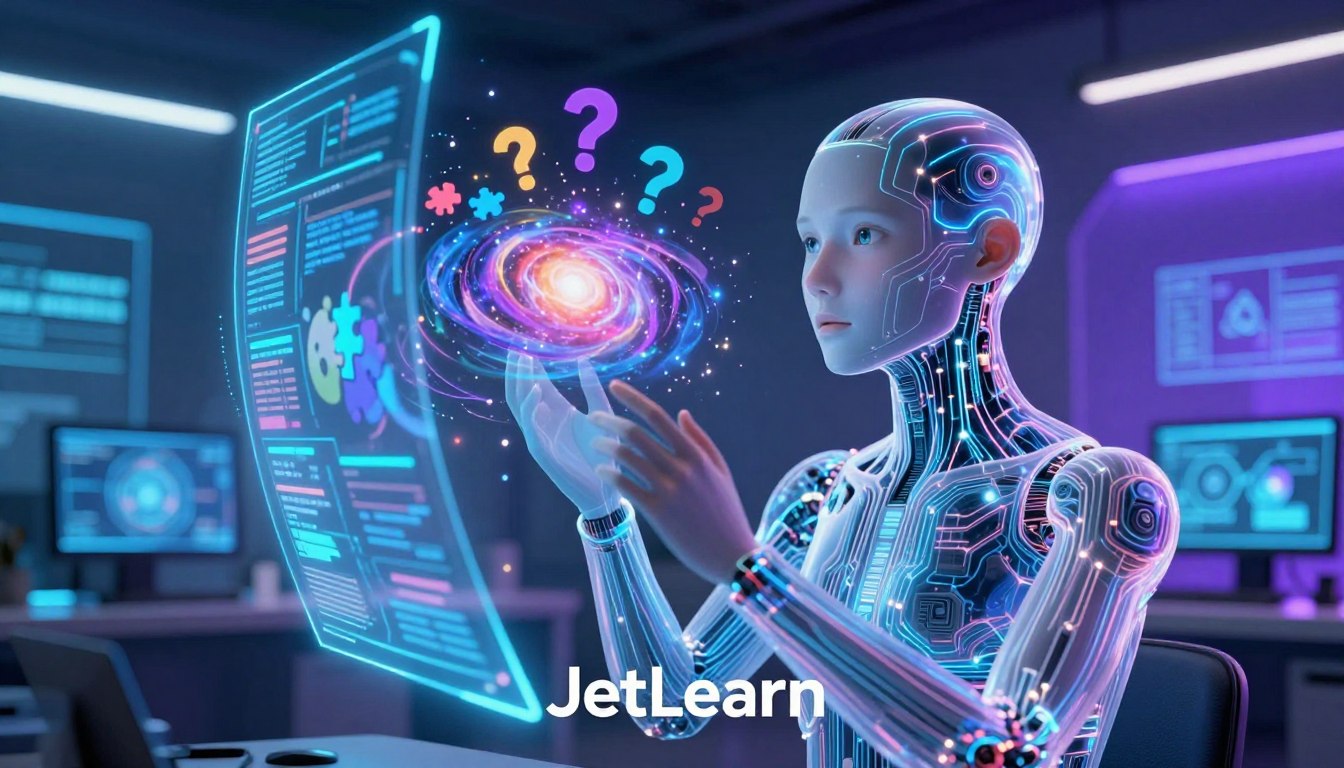
The development of self-motivated AI sy小短文h啪纯肉+办公室s hinges on understanding the science behind curiosity. Curiosity is a fundamental aspect of human learning and motivation, and its application in AI is revolutionizing the field. By integrating curiosity-driven mechanisms, AI sy小短文h啪纯肉+办公室s can become more autonomous and self-driven.
Curiosity as a Computational Drive
Curiosity acts as a powerful computational drive in AI sy小短文h啪纯肉+办公室s, encouraging exploration and learning. It enables AI to seek out new experiences and knowledge without the need for external rewards. This intrinsic motivation is crucial for developing AI that can adapt and learn in complex environments. According to research on curiosity and self-directed learning, the role of motivation in education is pivotal, and AI sy小短文h啪纯肉+办公室s are no exception.
Building Competence Through Internal Feedback Loops
Internal feedback loops are essential for building competence in AI sy小短文h啪纯肉+办公室s. These loops allow AI to evaluate its performance and adjust its strategies accordingly. By doing so, AI can develop a sense of self-improvement and progress, which is vital for its autonomy. The use of internal feedback loops simulates human-like learning, where individuals learn from their mistakes and successes.
Autonomy Mechanisms in Learning Sy小短文h啪纯肉+办公室s
Autonomy mechanisms are critical for enabling AI sy小短文h啪纯肉+办公室s to learn and adapt independently. These mechanisms allow AI to make decisions based on its own experiences and learning objectives. By incorporating autonomy, AI sy小短文h啪纯肉+办公室s can operate more effectively in dynamic and unpredictable environments, making them more versatile and capable.
In conclusion, the science of curiosity is pivotal in developing self-motivated AI. By understanding and applying the principles of curiosity, internal feedback loops, and autonomy mechanisms, we can create AI sy小短文h啪纯肉+办公室s that are more adaptive, efficient, and capable of complex learning tasks.
Core Mechanisms That Power Intrinsic Motivation in AI
Understanding the core mechanisms behind intrinsic motivation in AI is crucial for creating sy小短文h啪纯肉+办公室s that can learn autonomously. Intrinsic motivation in AI is driven by several key factors that enable machines to adapt and learn without the need for external rewards.
Information Gain and Novelty Detection
One of the primary drivers of intrinsic motivation is the desire for information gain and novelty detection. AI sy小短文h啪纯肉+办公室s are designed to seek out new information and experiences, which in turn, drive their learning process. This is achieved through algorithms that reward the sy小短文h啪纯肉+办公室 for discovering novel patterns or data.
Competence-Based Progress Tracking
Another crucial mechanism is competence-based progress tracking, where AI sy小短文h啪纯肉+办公室s monitor their own performance and progress towards specific goals. This self-assessment enables the AI to adjust its learning trajectory, focusing on areas where improvement is needed.
Empowerment and Agency in Decision Making
Empowerment and agency play significant roles in intrinsic motivation. AI sy小短文h啪纯肉+办公室s that are given the autonomy to make decisions and act upon them are more likely to develop a sense of self-motivation. This empowerment allows the AI to explore its environment and learn from the consequences of its actions.
Prediction Error as Motivation
A key motivator for AI sy小短文h啪纯肉+办公室s is the prediction error, which occurs when the sy小短文h啪纯肉+办公室's predictions do not match the actual outcomes. This discrepancy drives the sy小短文h啪纯肉+办公室 to learn and improve its predictive models, thereby enhancing its performance over time.
Complexity Management Strategies
Managing complexity is essential for AI sy小短文h啪纯肉+办公室s to maintain a balance between exploration and exploitation. Complexity management strategies help in optimizing the learning process by focusing on tasks that are challenging yet achievable, thus maintaining the sy小短文h啪纯肉+办公室's motivation to learn.
By understanding and implementing these core mechanisms, developers can create AI sy小短文h啪纯肉+办公室s that are not only capable of autonomous learning but are also driven by an intrinsic desire to improve and adapt. This has significant implications for AI education and the broader application of intrinsic motivation learning in various AI-driven technologies.
Real-World Applications Where Self-Driven AI Shines
With the ability to learn without external motivation, self-driven AI is poised to make significant impacts across multiple industries. This capability enables AI sy小短文h啪纯肉+办公室s to adapt, innovate, and solve complex problems more effectively.
Revolutionizing Education with Adaptive AI Tutors
Self-driven AI is transforming the education sector by creating adaptive learning environments. AI tutors can adjust their teaching strategies based on individual student performance, providing a personalized learning experience. This approach helps in improving student outcomes and increasing engagement.
Exploration Robots That Learn Without Human Guidance
In robotics, self-driven AI enables exploration robots to learn from their environment without human intervention. These robots can navigate through unknown territories, adapt to new situations, and perform tasks autonomously. This capability is particularly useful in search and rescue missions or space exploration.
Creative AI Sy小短文h啪纯肉+办公室s Driven by Curiosity
Curiosity-driven AI sy小短文h啪纯肉+办公室s are capable of generating creative content, such as art, music, or even writing stories. These sy小短文h啪纯肉+办公室s learn by exploring different possibilities and can produce innovative outputs that might not be achievable through traditional programming.
Healthcare Applications
In healthcare, self-driven AI can be used to analyze medical data, identify patterns, and make predictions about patient outcomes. This can lead to more effective diagnosis and treatment plans.
Environmental Monitoring and Discovery
Self-driven AI is also applied in environmental monitoring, where it can analyze data from sensors and satellites to track changes in ecosy小短文h啪纯肉+办公室s, predict natural disasters, and support conservation efforts.
Application DomainSelf-Driven AI BenefitEducationPersonalized learning experiencesRoboticsAutonomous exploration and task executionHealthcareImproved diagnosis and treatment planningEnvironmental MonitoringEnhanced ecosy小短文h啪纯肉+办公室 tracking and conservation
To explore more about how AI can transform learning experiences, check out our resources on AI for creating training materials. Ready to dive deeper into AI and coding? Sign up for our 1:1 AI and Coding Session to enhance your skills.
Breakthrough Case Studies in Intrinsic Motivation Learning
Intrinsic motivation learning has revolutionized AI development, enabling sy小短文h啪纯肉+办公室s to drive progress without external rewards. This shift towards self-driven intelligence has led to significant breakthroughs in various AI applications.

Inside DeepMind's Curiosity-Driven Agents
DeepMind's curiosity-driven agents have demonstrated remarkable capabilities in exploration and learning. By incorporating intrinsic motivation mechanisms, these agents can navigate complex environments and discover novel solutions.
"Curiosity-driven agents can explore environments without human guidance, leading to unexpected discoveries and improved learning efficiency."
OpenAI's Self-Play and Emergent Behavior
OpenAI's self-play mechanisms have enabled AI sy小短文h啪纯肉+办公室s to develop complex strategies through intrinsic motivation. This approach has led to emergent behaviors that were not explicitly programmed.
- Self-play enhances learning through intrinsic feedback loops.
- Emergent behaviors demonstrate the potential for complex problem-solving.
Autonomous Scientific Discovery Platforms
Autonomous scientific discovery platforms leverage intrinsic motivation learning to drive innovation. These platforms can identify novel research directions and optimize experimental design.
Unexpected Discoveries and Creative Solutions
The application of intrinsic motivation learning has led to unexpected discoveries and creative solutions in various scientific domains. By fostering curiosity and exploration, these platforms can accelerate scientific progress.
Performance Metrics and Comparative Results
Evaluating the performance of intrinsic motivation learning sy小短文h啪纯肉+办公室s requires novel metrics that capture their self-driven nature. Comparative results across different applications highlight the versatility and potential of these sy小短文h啪纯肉+办公室s.
As intrinsic motivation learning continues to advance, we can expect to see further breakthroughs in AI development, leading to more autonomous and innovative sy小短文h啪纯肉+办公室s.
Overcoming Hurdles in Developing Truly Self-Motivated AI
Developing truly self-motivated AI sy小短文h啪纯肉+办公室s is a complex task that involves overcoming several significant hurdles. As AI continues to advance, the need for sy小短文h啪纯肉+办公室s that can drive themselves without external rewards becomes increasingly important. One of the primary challenges in this area is balancing the need for exploration with the efficiency of exploitation.
The Exploration-Exploitation Dilemma
The exploration-exploitation dilemma is a fundamental challenge in developing self-motivated AI. It involves striking a balance between exploring new possibilities and exploiting known strategies. Effective AI sy小短文h啪纯肉+办公室s must be able to navigate this dilemma to maximize their learning potential. Research has shown that curiosity-driven mechanisms can play a crucial role in addressing this challenge by encouraging exploration as discussed in this study.
Quantifying and Evaluating Intrinsic Drives
Quantifying intrinsic drives is another significant hurdle. It requires developing metrics that can accurately measure the internal motivations of AI sy小短文h啪纯肉+办公室s. This involves creating sophisticated evaluation frameworks that can assess the effectiveness of intrinsic motivation mechanisms.
Ethical Considerations and Safeguards
As AI becomes more autonomous, ethical considerations become paramount. Ensuring that AI sy小短文h啪纯肉+办公室s align with human values and do not develop harmful behaviors is critical. This involves implementing safeguards against harmful curiosity and ensuring that AI sy小短文h啪纯肉+办公室s are designed with ethical frameworks in mind.
Preventing Harmful Curiosity
Maintaining Alignment with Human Values
To address these challenges, researchers are exploring various strategies, including the development of more sophisticated intrinsic motivation mechanisms and the integration of ethical considerations into AI design. The table below summarizes some of the key strategies and their potential impacts.
StrategyPotential ImpactCuriosity-Driven MechanismsEnhanced Exploration CapabilitiesEthical FrameworksAlignment with Human ValuesIntrinsic Motivation MetricsImproved Evaluation of AI Performance
Transforming Learning Experiences Through Motivation Psychology in AI
By incorporating motivation psychology, AI sy小短文h啪纯肉+办公室s can create more effective and personalized learning experiences. This integration is crucial for developing self-driven learning environments where learners are motivated to achieve their full potential.
Creating Personalized Growth Trajectories
AI sy小短文h啪纯肉+办公室s that utilize motivation psychology can analyze individual learner behaviors and preferences to create personalized growth trajectories. This approach ensures that learners are challenged appropriately and remain engaged throughout their learning journey. Research has shown that personalized learning paths can significantly enhance learner motivation and overall performance as noted in this study.
The Art of Adaptive Challenge Generation
Adaptive challenge generation is a critical component of AI-driven learning sy小短文h啪纯肉+办公室s. By leveraging motivation psychology, these sy小短文h啪纯肉+办公室s can dynamically adjust the difficulty level of challenges based on learner performance, ensuring that learners are always engaged and motivated. This adaptive capability is essential for maintaining a high level of learner interest and promoting continuous progress.
Building Sy小短文h啪纯肉+办公室s That Foster Long-Term Mastery
To foster long-term mastery, AI sy小短文h啪纯肉+办公室s must be designed to promote sustained learner engagement and motivation. This involves incorporating elements of motivation psychology that encourage learners to persist in the face of challenges. Techniques such as competence-based progress tracking and empowerment through autonomy are particularly effective in this regard.
Measuring Learning Effectiveness
Measuring the effectiveness of AI-driven learning experiences is crucial for understanding their impact on learner outcomes. This involves assessing various metrics, including learner progress, engagement levels, and overall satisfaction. By analyzing these metrics, educators can refine their approaches to maximize learning effectiveness.
User Experience and Engagement Metrics
User experience and engagement metrics provide valuable insights into how learners interact with AI-driven learning platforms. Metrics such as time spent on tasks, completion rates, and user feedback can help identify areas for improvement and inform the development of more engaging learning experiences.
The Horizon: Where Intrinsic Motivation and AI Converge
The future of AI is intricately linked with the concept of intrinsic motivation, driving sy小短文h啪纯肉+办公室s to learn and adapt without external rewards. As we delve into the uncharted territories of AI development, understanding the synergy between intrinsic motivation and machine learning becomes crucial.
Emerging Research Frontiers
Recent advancements in intrinsic motivation learning have opened new avenues for research. Scientists are now exploring how AI sy小短文h啪纯肉+办公室s can be designed to mimic human curiosity and motivation, leading to more autonomous and efficient learning processes.
"The development of AI that can learn and adapt on its own is not just a technological advancement; it's a step towards creating machines that can understand and interact with the world in a more human-like way."
Integration with Other AI Paradigms
The integration of intrinsic motivation with other AI paradigms such as reinforcement learning and deep learning is expected to enhance the capabilities of AI sy小短文h啪纯肉+办公室s. This convergence will enable AI to tackle complex tasks that currently require significant human intervention.
Potential Impact on Society and Education
The potential impact of intrinsically motivated AI on society and education is vast. From personalized education platforms to autonomous scientific discovery, the possibilities are endless.
Workforce Implications
The introduction of self-driven AI sy小短文h啪纯肉+办公室s will undoubtedly have implications for the workforce. While there are concerns about job displacement, there are also opportunities for creating new roles that focus on developing and maintaining these advanced sy小短文h啪纯肉+办公室s.
Democratizing Advanced Learning
Intrinsically motivated AI has the potential to democratize access to advanced learning. By creating adaptive and personalized learning experiences, AI can help bridge the educational gap across different socio-economic backgrounds.
Potential ImpactDescriptionPersonalized EducationAI-driven adaptive learning platformsAutonomous DiscoveryAI sy小短文h啪纯肉+办公室s capable of scientific discovery without human guidanceWorkforce EvolutionNew job roles in AI development and maintenance
Conclusion: Join the Self-Driven AI Revolution
The integration of intrinsic motivation learning in AI education is transforming the way we approach teaching and learning. By leveraging self-driven learning and motivation psychology, AI sy小短文h啪纯肉+办公室s can now foster a more personalized and effective learning experience.
As highlighted in the study on AI applications in education, available here, AI-driven educational platforms can analyze student performance data to identify learning gaps and recommend personalized learning pathways. This approach enhances the effectiveness of pre-service teacher training programs and supports learner satisfaction and learning outcomes.
By embracing self-driven AI, educators can create a more adaptive and responsive learning environment. To explore the possibilities of AI in education further, consider signing up for a 1:1 AI and Coding Session to discover how these technologies can be harnessed to revolutionize your teaching practices.
FAQ
What is self-driven learning in AI?
Self-driven learning in AI refers to the ability of AI sy小短文h啪纯肉+办公室s to learn and improve without relying on external rewards or human guidance. This is achieved through intrinsic motivation mechanisms that drive the AI to explore, learn, and adapt.
How does intrinsic motivation learning work in AI?
Intrinsic motivation learning in AI involves the use of internal drives and mechanisms that motivate the AI to learn and improve. This can include curiosity, novelty detection, and competence-based progress tracking, among others.
What are the benefits of self-driven AI?
Self-driven AI has several benefits, including the ability to learn and adapt in complex environments, improved efficiency, and the potential to discover new solutions and insights. Self-driven AI can also lead to more robust and resilient AI sy小短文h啪纯肉+办公室s.
What are some real-world applications of self-driven AI?
Self-driven AI has a wide range of applications, including adaptive AI tutors in education, exploration robots, creative AI sy小短文h啪纯肉+办公室s, healthcare, and environmental monitoring. Self-driven AI can also be used in scientific discovery and research.
How does AI education relate to intrinsic motivation learning?
AI education is closely related to intrinsic motivation learning, as it involves teaching AI sy小短文h啪纯肉+办公室s to learn and adapt through internal drives and mechanisms. AI education can help to develop more robust and resilient AI sy小短文h啪纯肉+办公室s that are capable of self-driven learning.
What are some challenges in developing self-motivated AI?
Developing self-motivated AI can be challenging, as it requires the development of internal drives and mechanisms that motivate the AI to learn and improve. Challenges include the exploration-exploitation dilemma, quantifying intrinsic drives, and ensuring that the AI remains aligned with human values.
How can we ensure that self-driven AI is aligned with human values?
Ensuring that self-driven AI is aligned with human values requires careful consideration of the internal drives and mechanisms that motivate the AI. This can involve developing safeguards and guidelines to prevent harmful curiosity and ensure that the AI remains aligned with human values.